
Flavor and Relaxation Habits Adult Vape Users Are Paying More Attention To
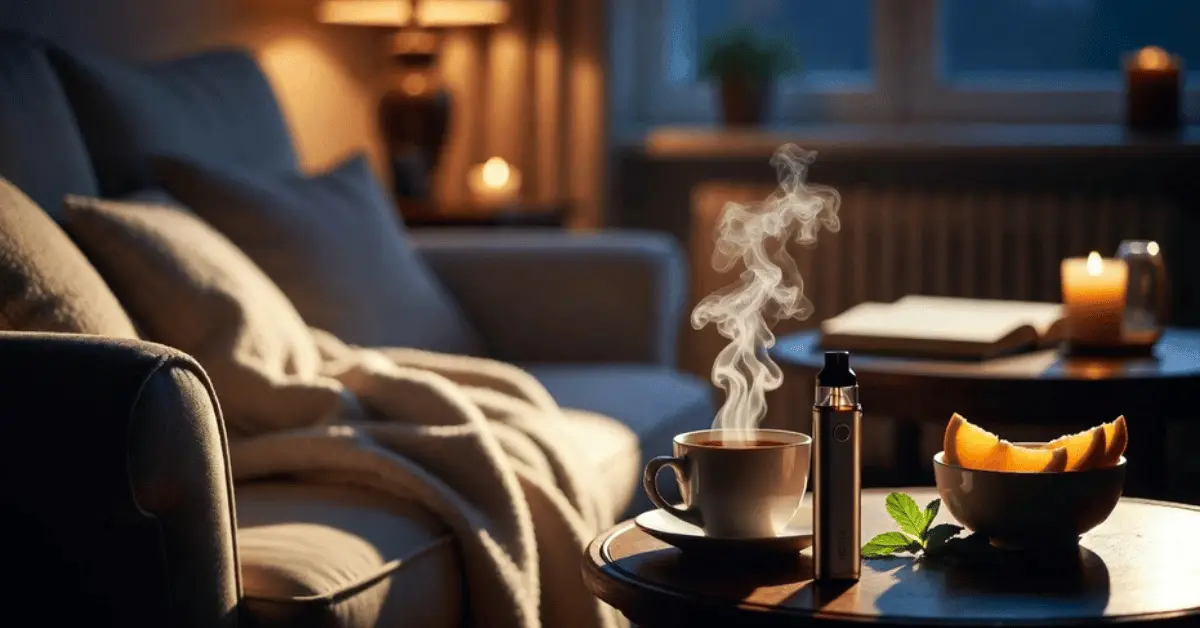
Many adult consumers are becoming more intentional about the habits and routines they build around relaxation at home. Instead of focusing only on fast-paced entertainment or nightlife, more people now prioritize quieter evenings, comfort-focused routines, and smaller ways to unwind after demanding days. This shift has influenced everything from home environments to wellness habits and personal downtime preferences.
Within vape culture, flavor and overall experience have become much larger parts of the conversation than they were years ago. Adult users are often paying closer attention to how products fit into their evening routines, personal preferences, and overall comfort rather than simply focusing on intensity alone. Flavor variety, smoother experiences, and more manageable routines are becoming increasingly important for consumers who view relaxation as part of everyday balance rather than occasional escape.
The routines people maintain most consistently are usually the ones that feel practical, calming, and easy to integrate naturally into normal schedules.
Flavor Preferences Often Influence the Entire Experience
Flavor has become one of the most noticeable factors shaping adult vape preferences. Many people no longer choose products based only on strength or convenience. Instead, flavor variety strongly affects how relaxing or enjoyable the overall experience feels.
Smoother profiles, lighter fruit flavors, mint options, dessert-inspired blends, and more subtle combinations often appeal to adults loo7king for routines that feel calmer and less harsh overall. People frequently prefer flavors that fit naturally into evening downtime instead of feeling overly intense or overpowering.
This focus on flavor also reflects broader lifestyle habits where sensory comfort plays a larger role in how people relax after stressful days.
Relaxation Routines Are Becoming More Personalized
Modern relaxation habits look very different from person to person. Some people prefer quiet evenings reading or watching movies, while others unwind through music, gaming, stretching, social time, or simply reducing stimulation before bed.
This personalization affects how adults approach products connected to downtime and recovery as well. Many individuals build routines around comfort and consistency instead of following highly rigid wellness systems or social expectations.
Products from https://medterracbd.com/ often fit into broader relaxation-focused routines centered around quieter evenings, emotional balance, and creating calmer transitions after physically or mentally demanding days.
Evening Habits Are Shifting Away From Constant Stimulation
Another noticeable trend is that many adults are becoming more protective of their evening routines overall. Constant notifications, social media, work demands, and nonstop stimulation throughout the day often leave people mentally exhausted by nighttime.
Because of this, many individuals intentionally create slower and lower-stimulation environments during evenings. Softer lighting, comfortable clothing, music, reduced screen exposure, and relaxation-focused habits are becoming more common parts of home routines.
People generally recover better emotionally when evenings feel calmer instead of continuing the same fast pace from daytime schedules.
Physical Comfort Matters More Than People Realize

Stress and overstimulation frequently create physical tension alongside mental fatigue. Neck tightness, headaches, shoulder tension, and physical discomfort often build gradually throughout the week without people fully noticing until exhaustion appears.
This is one reason many adults now pay closer attention to physical recovery habits as part of broader relaxation routines. Stretching, mobility work, massage, posture support, and recovery-focused wellness habits often help people feel physically calmer during downtime.
Services connected to Virginia Family physical medicine usually support people looking to improve mobility, physical comfort, and recovery from the strain that can build up through demanding schedules, repetitive movement, and everyday stress.
Comfort-Based Wellness Habits Continue Growing
Many adults are moving away from overly intense wellness routines that feel difficult to maintain consistently. Instead, smaller comfort-focused habits are becoming more appealing because they feel realistic within everyday life.
Quiet evenings, manageable recovery habits, hydration, comfortable environments, and slower nighttime routines often help people feel more emotionally balanced without requiring major lifestyle overhauls.
This broader shift toward sustainable relaxation routines influences many consumer categories connected to home comfort and personal downtime.
Adult Consumers Are Paying More Attention to Routine Quality
Rather than focusing only on occasional indulgence, many adults now think more carefully about the quality of their daily routines overall. How evenings feel emotionally often affects stress levels, sleep quality, motivation, and long-term well-being much more than people initially realize.
As a result, people are becoming more selective about the products, environments, and habits they include in their downtime. Flavor, atmosphere, comfort, and consistency all contribute to how relaxing routines feel on a regular basis.
Small habits repeated consistently usually shape overall well-being more than occasional dramatic changes.
Social Settings Still Influence Consumer Habits
Flavor preferences and relaxation routines are also shaped by social environments. Adults often associate certain flavors, products, or evening habits with social gatherings, entertainment, or shared downtime experiences.
This emotional connection frequently influences purchasing decisions because people tend to repeat routines that feel familiar and comforting within their lifestyle.
Relaxation habits therefore become tied not only to products themselves but to the atmosphere and routine surrounding them.
Simpler Habits Usually Feel More Sustainable
Many people eventually discover that the routines helping them feel most balanced are often surprisingly simple. Lower stimulation, more comfort, better sleep habits, manageable recovery routines, and quieter evenings frequently create stronger long-term effects than constantly chasing highly optimized wellness trends.
According to the American Psychological Association, chronic stress and overstimulation can strongly affect both physical and emotional well-being over time. Consistent recovery habits and calmer routines often play important roles in helping people maintain better overall balance.
Relaxation Today Looks Different Than It Used To
Modern relaxation habits are becoming less centered around constant activity and more focused on comfort, routine quality, and emotional recovery. Adult consumers increasingly value habits that feel manageable and calming within everyday life instead of relying entirely on occasional escape or overstimulation.
Flavor preferences, physical comfort, quieter evenings, and recovery-focused routines all contribute to how people experience relaxation today. The routines that last longest are usually the ones that feel natural enough to maintain consistently without creating additional stress.
As lifestyle habits continue evolving, many adults are discovering that smaller comfort-focused routines often have the biggest effect on how balanced and relaxed daily life actually feels.