
Why Breakfast Traffic Is Bouncing Back at Restaurants

Breakfast has had a rough few years as a restaurant daypart, but the trend line finally turned.
According to Circana’s Eating Patterns in America report, restaurant breakfast traffic increased
in the first quarter of 2025 — the daypart’s first increase since 2023, after several years of
decline driven by remote work and consumers eating at home to save money.
Why Breakfast Struggled in the First Place
When more people started working from home, the built-in reason to stop somewhere for
breakfast on the way to the office largely disappeared. Making coffee and toast at home is
cheaper and faster than a sit-down or drive-through stop, and for several years that math won
out for a meaningful share of consumers.
What Changed
Office occupancy is a big part of the story. Average office occupancy rose to 52% in 2025, up
from 49% the year before, according to data cited in the same reporting. That’s a modest shift
on paper, but it translates directly into more people back on a commute — and a commute is
where a lot of restaurant breakfast decisions actually get made.
The Recovery Hasn’t Been Even Across the Industry
Quick-service breakfast has recovered more slowly than the daypart overall. Revenue
Management Solutions data showed quick-service breakfast traffic down 8.7% year-over-year in
the second quarter of 2025, improving to down 3.3% by September. Full-service and made-to-
order concepts, where the appeal is a sit-down experience rather than pure speed, have
generally fared better through this stretch — a sign that what’s recovering isn’t just “breakfast”
broadly, but the version of breakfast people actually want to leave the house for.
What This Means for How Restaurants Compete
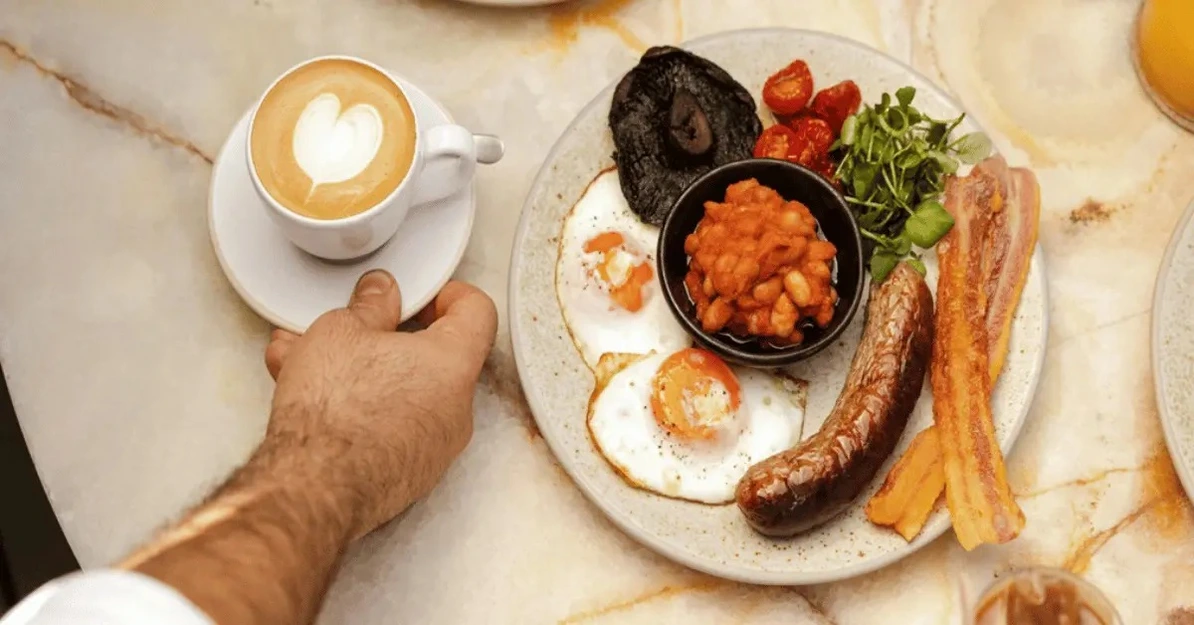
A daypart recovering unevenly rewards restaurants that give people a reason beyond convenience to choose them for breakfast quality ingredients, a sit-down brunch experience, or a menu that works whether someone’s ordering at 8am or 1pm. All-day breakfast and brunch concepts, which don’t lock breakfast into a narrow morning window, are positioned to benefit from exactly the kind of flexible dining patterns this data reflects. Famous Toastery’s Cary, NC location is one example of this format, serving breakfast items alongside lunch and brunch throughout the day rather than cutting off the menu at 11am.
The Bigger Picture
One quarter of growth after a multi-year decline isn’t a guaranteed trend, but it does suggest the
return-to-office shift is doing more for restaurants than headlines about hybrid work sometimes
suggest. Breakfast’s recovery is likely to keep tracking closely with how much of the workforce is
actually leaving the house each morning.