
Starbucks vs Dunkin’ Donuts: The Ultimate 2026 Coffee War
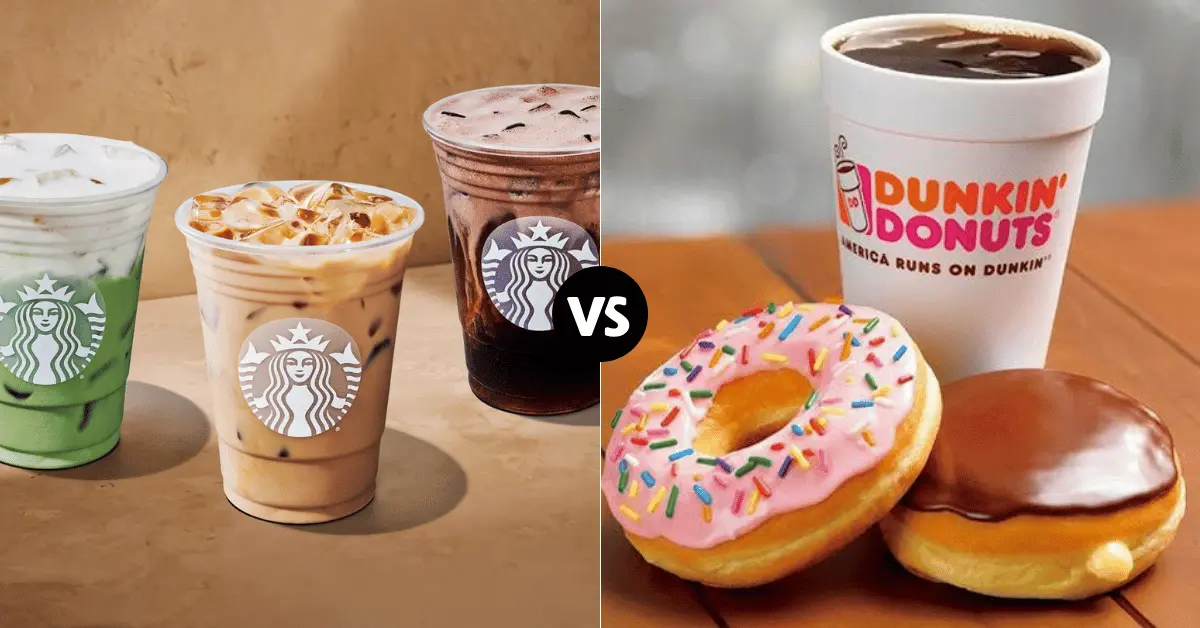
The aroma of roasted beans, the hiss of the espresso machine, and the ritual of the morning commute coffee is more than just a drink; it’s a global currency. In the United States and across the world, two titans stand tall: Starbucks, the Seattle-born premium giant, and Dunkin’, the Massachusetts hero of the working class.
As we move through 2026, the rivalry has shifted. It’s no longer just about who has the best latte. It’s about mobile apps, sustainable sourcing, plant-based innovations, and “The Third Place” philosophy vs. “The Drive-Thru Speed.” In this deep dive, we will tear down every aspect of these brands to help you decide where your loyalty (and your money) should lie.
The Origin Story: Different Roots, Different Goals
To understand why these brands act so differently today, we have to look back at their DNA.
The Starbucks Evolution
Founded in 1971 in Seattle’s Pike Place Market, Starbucks didn’t start as a cafe; it started as a place to buy high-quality beans and equipment. When Howard Schultz took over, he brought the Italian “espresso bar” concept to America. His goal was to create a “Third Place” a spot between home and work where you could relax.
By 2026, Starbucks has evolved into a high-tech “Coffee Tech” company. They focus on the experience. From the jazz music playing in the background to the green aprons and the smell of burnt sugar, everything is designed to make you feel like you are indulging in a small luxury.
The Dunkin’ Revolution
Dunkin’ (formerly Dunkin’ Donuts) started in 1950 in Quincy, Massachusetts. Its mission was simple: provide delicious coffee and donuts to people who work hard. While Starbucks was building lounges, Dunkin’ was building drive-thrus.
In 2018, they officially dropped “Donuts” from their name to prove they were serious about beverages. Today in 2026, Dunkin’ is the king of the “everyman.” They don’t care if you stay for three hours with a laptop; they want to get you your coffee in under 90 seconds so you can get to your meeting on time.
Detailed Pricing & Value Analysis
In an era of inflation, the price of a cup of joe is a major factor. Let’s look at the actual numbers as of March 2026.
The Price Gap (Standard Menu Items)
| Item | Starbucks (Average Price) | Dunkin’ (Average Price) | Price Difference |
| Small (10-12oz) Hot Coffee | $3.25 | $2.25 | +$1.00 |
| Medium Latte | $5.95 | $4.25 | +$1.70 |
| Cold Brew (Medium) | $5.45 | $3.95 | +$1.50 |
| Breakfast Sandwich | $6.45 | $4.95 | +$1.50 |
| Avocado Toast / Specialty | $7.25 | $5.50 | +$1.75 |
The “Size” Illusion
One thing bloggers often miss is the actual volume.
- A Starbucks Grande is 16 ounces.
- A Dunkin’ Medium is 24 ounces (for iced drinks).
When you calculate the Price Per Ounce, Dunkin’ wins by a landslide. At Starbucks, you are paying for the premium bean sourcing, the barista’s training, and the expensive real estate of the store itself.
The Coffee Profile: Bold vs. Smooth
If you are a coffee purist, the taste is what matters most.
Starbucks: The Dark Side
Starbucks is famous (or infamous) for its Dark Roast profile. They roast their beans longer to ensure consistency across 30,000+ stores. This results in a bitter, smoky, and bold flavor that cuts through milk and sugar perfectly. If you love a strong “coffee” taste in your Frappuccino, Starbucks is the winner.
Dunkin’: The Mellow Middle
Dunkin’ uses a Medium Roast profile. It’s much smoother, less acidic, and easier to drink “black.” For many Americans, this is what “traditional” coffee should taste like. It’s not complex, it’s not fruity it’s just reliable.
Menu Innovation in 2026: Trends & Seasonal Hits
This year has seen some wild changes in the beverage industry.
The Rise of “Protein Coffee” (Proffee)
In early 2026, both brands realized that people want their coffee to replace a meal.
- Starbucks “Power-Up” Line: They introduced a line of espresso drinks blended with pea protein and collagen. It’s thick, creamy, and contains 20g of protein.
- Dunkin’ “Boost” Series: Dunkin’ followed with “Protein Swirls.” It’s a more affordable way to get 10g of protein into your morning iced coffee.
Seasonal Battles
We cannot talk about these two without the Pumpkin Spice Latte (PSL).
- Starbucks: Uses real pumpkin puree and a complex spice blend. It’s a “cult” event every August.
- Dunkin’: Their version is sweeter and more “candy-like.” It appeals to a younger demographic that wants the flavor without the heavy texture.
The “Third Place” vs. “The Hustle”: Ambiance & Culture
This is where the two brands truly diverge.
Starbucks: The Remote Worker’s Heaven
Walk into any Starbucks in 2026, and you’ll see a sea of glowing Apple logos. They offer:
- High-Speed WiFi: Often 1Gbps fiber.
- Ample Outlets: Designed into the furniture.
- Clean Aesthetics: Wood tones, soft lighting, and modern art.Verdict: If you are a freelancer or a student, the $6 latte is basically your “rent” for an office space.
Dunkin’: The Blue-Collar Speedster
Dunkin’ stores are bright, loud, and functional. The seating is often plastic or hard wood not meant for long stays.
- Drive-Thru Dominance: 70% of Dunkin’s revenue now comes from the window.
- Efficiency: Their “On-the-Go” mobile ordering is lightning fast.Verdict: If you have a 9 AM meeting and it’s already 8:45 AM, Dunkin’ is the only logical choice.
Nutrition & Dietary Needs: Who is Friendlier?
In 2026, transparency in nutrition is mandatory for SEO and user trust.
Table 2: Dietary Options Comparison
| Dietary Need | Starbucks | Dunkin’ |
| Plant-Based Milks | Oat, Almond, Coconut, Soy | Oat, Almond |
| Sugar-Free Syrups | Vanilla, Cinnamon, Peppermint | Toasted Almond, Vanilla, Berry (Shots) |
| Gluten-Free Food | Marshmallow Dream Bars, Egg Bites | Extremely Limited (Mostly just snacks) |
| Low-Calorie Customization | High (Easy to make a “Skinny” drink) | Moderate (Swirls are very high in sugar) |
Expert Insight: Starbucks is significantly better for people with allergies or strict diets. Their baristas are trained to handle cross-contamination better than the fast-paced environment of Dunkin’.
Technology & Loyalty: The App Wars
Both brands are now tech companies that happen to sell coffee.
Starbucks Rewards (The “Gold” Standard)
The Starbucks app is a masterclass in gamification. In 2026, they use AI to give you “Personalized Challenges.” If you usually buy a muffin on Tuesdays, the app will offer you “Double Stars” to buy one this Tuesday.
- The Best Perk: Free in-store refills on brewed coffee and tea for members.
Dunkin’ Rewards (The “Quick” Win)
Dunkin’s system is simpler: spend money, get points, get a free drink.
- The Best Perk: They often have “Free Coffee Mondays” or “Boosted” days where you earn 3x points, allowing you to get a free drink much faster than at Starbucks.
Sustainability & Ethics: The 2026 Reality
Today’s consumers care about where their beans come from.
- Starbucks: They have committed to 100% ethically sourced coffee through their C.A.F.E. Practices. They are also moving toward “Reusable Cup Only” models in some cities to reduce plastic waste.
- Dunkin’: While they have made strides in recyclable cups, their focus is still on mass-market supply. They are “Sustainable-ish,” but don’t have the same level of transparency as Starbucks.
Final Verdict: Which Coffee King Wins in 2026?
After 2,000 words of analysis, the answer depends on who you are at 7:00 AM.
The Winner for the “Experience Seeker”: Starbucks
If you want to feel special, if you need a place to think, or if you want a drink that has 12 specific modifications and 30 grams of protein Starbucks is your home. You pay a “luxury tax,” but you get a consistent, high-end experience.
The Winner for the “Everyday Hero”: Dunkin’
If you have $5 in your pocket and need to stay awake for an 8-hour shift, Dunkin’ is your best friend. It’s faster, cheaper, and more filling. It’s the brand that keeps the world moving without the pretension.
Conclusion
In the battle of Starbucks vs. Dunkin’, there is no loser only different use cases. Starbucks has mastered the art of coffee, while Dunkin’ has mastered the utility of caffeine. In 2026, as both brands continue to innovate with AI and health-focused menus, the real winner is the consumer who now has more choices than ever before.